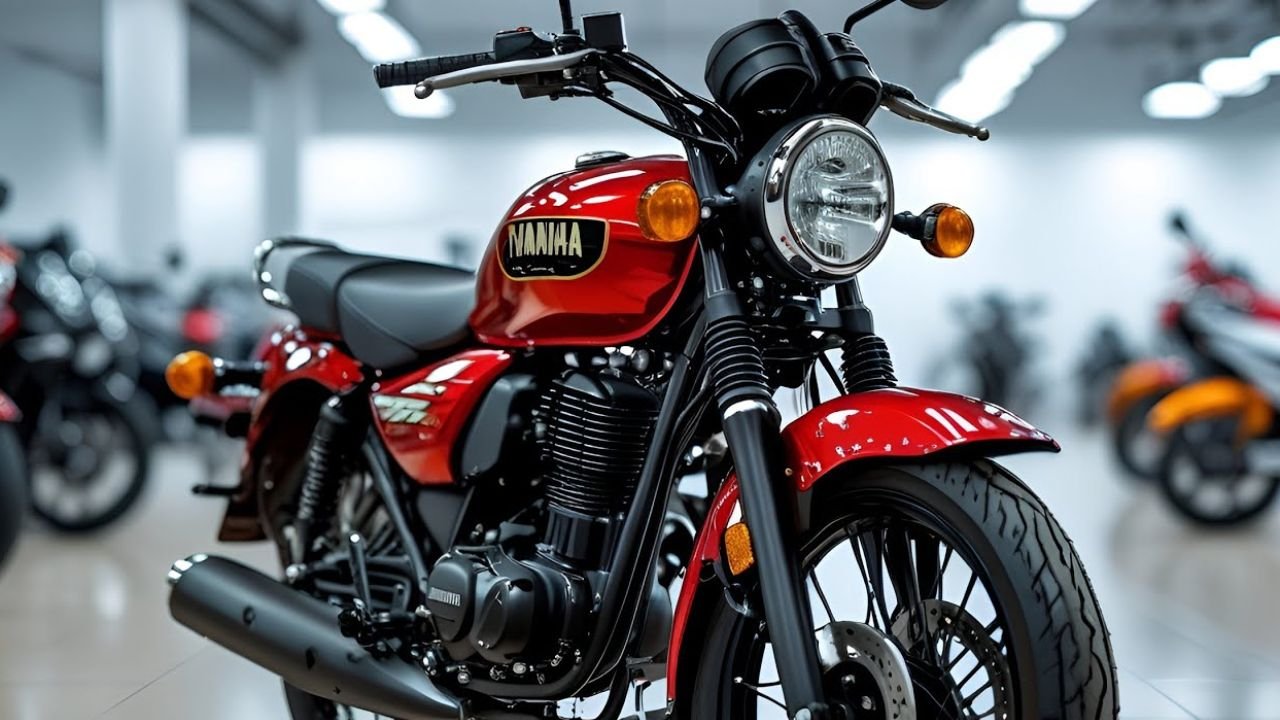

The Yamaha RX100 is not just a motorcycle—it is a feeling, a memory, and a symbol of pure riding excitement for generations of Indian riders. Even decades after its discontinuation, the RX100 continues to rule hearts with its raw power, iconic exhaust sound, and lightweight design. From college students in the 90s to bike collectors today, the Yamaha RX100 remains one of the most loved motorcycles ever launched in India.
With recent discussions and rumours around a modern comeback inspired by the original model, excitement around the Yamaha RX100 has once again reached new heights. Riders are hoping to see the same classic charm combined with modern technology, better mileage, and cleaner emissions—without losing the soul that made the RX100 legendary.
Yamaha RX100: A Motorcycle That Defined an Era
When Yamaha launched the RX100 in India during the mid-1980s, the two-wheeler market was very different. Most bikes focused on fuel efficiency rather than performance. The Yamaha RX100 changed everything overnight. Its 98cc two-stroke engine delivered explosive acceleration that no other bike in its segment could match.
At a time when most commuters struggled to touch higher speeds, the RX100 offered thrilling performance with a top speed close to 100 km/h. This instantly made the RX100 a dream machine for young riders and speed enthusiasts.
Classic Design That Still Looks Timeless
One of the biggest reasons behind the cult status of the Yamaha RX100 is its simple yet aggressive design. The round headlamp, flat seat, chrome exhaust, slim fuel tank, and clean body lines gave it a timeless appeal. Even today, a well-maintained RX100 turns heads on Indian roads.
The lightweight frame and compact dimensions made the RX100 extremely agile. It felt effortless to ride through traffic and equally exciting on open roads. Unlike modern bulky motorcycles, the RX100’s simplicity was its biggest strength.
Engine and Performance: Raw Power at Its Best
The heart of the Yamaha RX100 was its 98cc, air-cooled, two-stroke engine producing around 11 horsepower. On paper, these numbers may seem small today, but in reality, this engine delivered unmatched performance due to its two-stroke nature and lightweight body.
Throttle response was instant. The moment you twisted the accelerator, the RX100 surged forward aggressively. This quick power delivery made the RX100 faster than many larger four-stroke bikes of its time.
The 4-speed manual gearbox was smooth and perfectly tuned for rapid acceleration. Combined with the bike’s low weight of around 100 kg, the RX100 offered an unmatched power-to-weight ratio.

The Legendary Exhaust Sound
If there is one thing that truly defines the Yamaha RX100, it is its iconic exhaust note. The sharp, loud, and aggressive sound became the identity of the bike. Riders could recognise an RX100 from far away just by its exhaust beat.
This sound played a huge role in making the RX100 an emotional motorcycle rather than just a machine. Even today, enthusiasts restore RX100s just to relive that legendary sound.
Also Read – 2025 Honda Gold Wing Unveiled — The Ultimate Luxury Touring Motorcycle Redefining Long-Distance Riding
Ride Quality and Handling
The Yamaha RX100 was known for its excellent handling. Thanks to its lightweight chassis, the bike felt extremely nimble. Whether navigating city traffic or taking sharp turns on highways, the RX100 remained stable and confidence-inspiring.
The suspension setup included telescopic front forks and a rear swingarm, which handled Indian road conditions reasonably well for that era. While it lacked modern features like monoshocks or disc brakes, the overall riding experience of the Yamaha RX100 was thrilling and engaging.
Fuel Efficiency: Then and Now
Originally, the Yamaha RX100 delivered a mileage of around 25–30 kmpl, depending on riding style and tuning. While this may seem low compared to modern commuter bikes, riders were happy to sacrifice mileage for performance.
In recent discussions about a modern revival, many expect a redesigned RX100-inspired bike to offer up to 50 kmpl mileage, thanks to modern four-stroke or fuel-injected technology. If Yamaha manages to balance performance and efficiency, the RX100 name could once again dominate Indian roads.
Why Yamaha RX100 Became a Cult Classic
Even after being discontinued in 1996, the Yamaha RX100 never disappeared from public memory. Several factors contributed to its cult status:
-
Explosive two-stroke performance
-
Lightweight and agile handling
-
Iconic exhaust sound

-
Simple mechanical design
-
Strong racing and modification culture


The RX100 became a favourite for street racing, drag racing, and custom builds. Modified Yamaha RX100 bikes are still seen at motorsport events and bike shows across India.
Racing Heritage and Modification Culture
The Yamaha RX100 dominated amateur racing scenes in the 90s. Its engine responded extremely well to tuning and modifications. Riders upgraded carburettors, exhausts, and port timing to extract insane performance.
Because of this, the RX100 became a legend among mechanics and racers. Even today, restoring or modifying a Yamaha RX100 is considered a passion project for true bike lovers.
Why Was the Yamaha RX100 Discontinued?
The biggest reason behind the discontinuation of the Yamaha RX100 was stricter emission norms. Two-stroke engines produced higher pollution levels compared to four-stroke engines. As India adopted tighter emission regulations in the mid-90s, Yamaha had no choice but to stop production.
Despite its popularity, the Yamaha RX100 could not meet the new environmental standards without losing its core identity.
Yamaha RX100 in Today’s Used Bike Market
Even today, the demand for the Yamaha RX100 is incredibly high. Well-maintained or fully restored models are sold at premium prices. Depending on condition and originality, a used RX100 can cost anywhere between ₹50,000 and ₹1.5 lakh or even more.
Collectors often pay extra for bikes with original paint, engine, and exhaust. This shows the emotional and financial value of the Yamaha RX100 even after decades.
Can Yamaha RX100 Be Used for Daily Commuting Today?
Yes, the Yamaha RX100 can still be used for daily commuting if it is properly maintained. However, spare parts are becoming rare, and fuel efficiency is lower compared to modern bikes.
For daily use, riders must be prepared for higher maintenance and fuel costs. Still, many enthusiasts happily ride their RX100 daily because of the joy it offers.

What Made Yamaha RX100 Faster Than Its Rivals?
The secret behind the RX100’s speed was its two-stroke engine design. Unlike four-stroke engines, two-stroke engines produce power in every rotation, resulting in quicker acceleration.
Combined with its lightweight body and aggressive tuning, the Yamaha RX100 easily outperformed bikes like the Hero CD100 and Bajaj M80 of its time.
Will Yamaha RX100 Make a Comeback?
There is strong speculation that Yamaha may introduce a new bike inspired by the Yamaha RX100 name. While it may not be a two-stroke engine, Yamaha could use modern four-stroke or hybrid technology while keeping the classic design alive.
If launched with retro styling, modern features, and decent performance, the RX100 badge could once again become a blockbuster in India.
Final Verdict: A Legend That Lives Forever
The Yamaha RX100 was not just a motorcycle—it was an emotion that defined freedom, speed, and youth for an entire generation. Even after decades, its charm remains unmatched.
Whether Yamaha officially brings it back or not, the Yamaha RX100 will always remain one of the greatest motorcycles India has ever seen. If you ever get a chance to ride one, you will instantly understand why this bike is called a legend.
Would you like to see the Yamaha RX100 reborn in a modern avatar? Share your thoughts—because legends never die, they only wait to return.
Some Important Link
| Download News APP | Click Here |
| WhatsApp Group | Click Here |
| Home Page | Click Here |